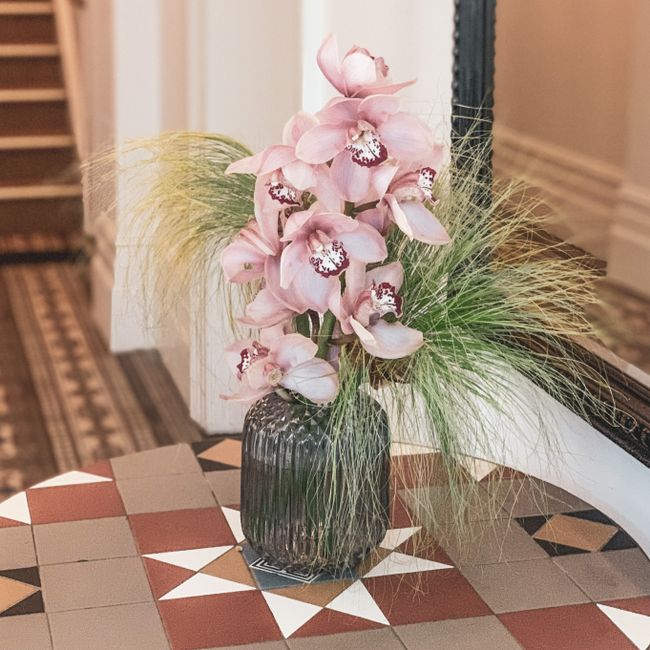
Corporate flower service Hoxton Old Street offices
Posted on 25/09/2026
Corporate flower service Hoxton Old Street offices: a practical guide for modern workplaces
If you manage an office near Hoxton or Old Street, you already know the little details matter. A tidy reception, a fresh scent when the door opens, and a space that feels considered can change the whole mood of a working day. That is where a Corporate flower service Hoxton Old Street offices setup earns its keep. It is not just about "nice flowers" on a desk. It is about creating a consistent, professional first impression for clients, visitors, and staff, without adding another job to your already full plate.
This guide breaks down how office flower delivery works, what to expect, how to choose the right style for your space, and what to avoid if you want the arrangement to look polished rather than fussy. We will also look at practical considerations for London offices, from deliveries and building access to maintenance and sustainability. Truth be told, the best office flowers are the ones you barely have to think about.
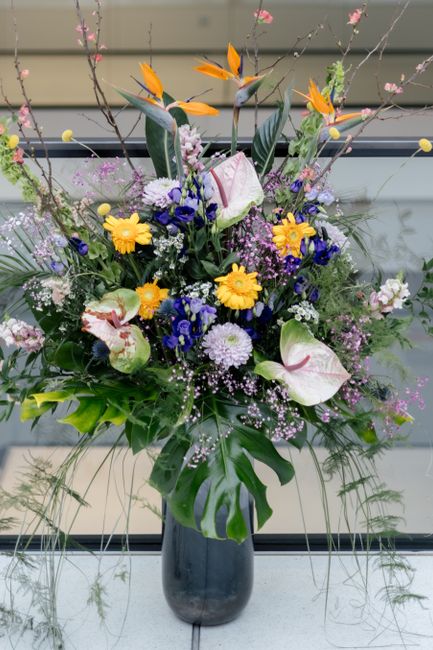
Table of Contents
- Why Corporate flower service Hoxton Old Street offices Matters
- How Corporate flower service Hoxton Old Street offices Works
- Key Benefits and Practical Advantages
- Who This Is For and When It Makes Sense
- Step-by-Step Guidance
- Expert Tips for Better Results
- Common Mistakes to Avoid
- Tools, Resources and Recommendations
- Law, Compliance, Standards, or Best Practice
- Options, Methods, or Comparison Table
- Case Study or Real-World Example
- Practical Checklist
- Conclusion
- Frequently Asked Questions
Why Corporate flower service Hoxton Old Street offices Matters
Office flowers do more than decorate a room. In a busy commercial area like Hoxton and Old Street, where agencies, studios, co-working floors, and client-facing businesses are all competing for attention, your environment quietly says a lot about your brand. A corporate arrangement can signal competence, care, and a sense of calm before anyone has even sat down.
Think about the places people notice first: reception desks, meeting rooms, lift lobbies, breakout areas, and boardrooms. These are not just practical spaces. They are the places that shape first impressions. A single well-chosen floral display can soften hard lines, add warmth to glass and concrete, and make a workplace feel properly looked after. It sounds simple because it is simple. But simple, done well, is powerful.
There is also a people side to it. Staff tend to notice when their workspace feels cared for. It can lift the atmosphere on a wet Tuesday morning, or make a long client meeting feel a little less sterile. You will notice the difference especially in offices that host visitors regularly. A fresh arrangement near the entrance often says, "We are organised, attentive, and ready." That is valuable. More valuable than people sometimes assume.
Expert summary: In office environments, flowers work best when they support the brand, fit the practical realities of the building, and stay consistently fresh without creating extra admin.
If your office is near busy streets, stations, or shared building entrances, a managed service can also help keep things reliable. Nobody wants to be chasing a missing vase on a delivery morning. Let's face it, there are already enough moving parts in office life.
How Corporate flower service Hoxton Old Street offices Works
A corporate flower service is usually a scheduled or on-demand delivery arrangement for businesses. It can be weekly, fortnightly, monthly, or event-based. Some offices want a standing order for reception and meeting rooms. Others need flowers for presentations, launches, private dinners, or occasional seasonal refreshes.
Most services follow a straightforward process:
- Briefing: You share the office layout, brand style, colour preferences, delivery access details, and any restrictions such as scent sensitivity or low-light areas.
- Selection: The florist suggests arrangements that suit the space. That may include understated whites and greens for a professional feel, brighter mixed tones for creative spaces, or low-profile designs for desks and counters.
- Scheduling: Deliveries are planned around office hours and building rules. In central London, timing matters more than people expect.
- Installation: The flowers are placed where they have the best visual effect and do not block signage, screens, or guest flow.
- Refresh and replacement: On the next cycle, the old flowers are cleared and replaced with a new design, so the space stays fresh rather than tired.
Some offices also use a hybrid approach. For example, they may order a recurring arrangement for reception but choose separate seasonal flowers for client events. If that is your setup, a broader product range can be helpful. A florist that offers all flowers and florist choice options gives you flexibility when you do not want to over-specify every detail.
In practical terms, the service works best when it feels almost invisible. The flowers arrive, the space looks better, and your team gets on with the day. That is the ideal, really.
Key Benefits and Practical Advantages
The strongest reason to invest in office flowers is consistency. One-off purchases can be nice, but they do not create the same steady visual standard as a planned service. Below are the main advantages businesses usually value.
1. A better first impression
Clients and visitors often judge a workplace before any meeting starts. Fresh arrangements in reception or a boardroom can make a space feel polished and prepared. This matters especially for businesses in competitive, image-conscious sectors like media, design, recruitment, finance, and professional services.
2. A more welcoming atmosphere
Flowers help reduce the harshness of fluorescent lighting, neutral walls, and all the usual office straight lines. A soft arrangement can make the room feel less clinical. Not dramatically, but enough for people to feel it.
3. Brand alignment
Colour, style, and vase choice can all support the personality of the business. A sleek monochrome palette suggests sophistication. Soft seasonal tones can feel warm and approachable. Bold, contemporary blooms can suit creative teams or event spaces.
4. Less admin for your team
When florals are managed by a regular service, your office manager, EA, or receptionist does not need to remember last-minute purchases or worry about replacements. That is not a small thing. Small tasks are still tasks.
5. Better value over time
It is often more efficient to plan repeat deliveries than to buy ad hoc arrangements in a rush. Even if the budget is modest, a recurring service can help you spend more intentionally on flowers that truly suit the space. For businesses looking to keep things tidy and cost-aware, options like cheap flowers Hoxton N1 or budget choices can still look smart when selected carefully.
6. Seasonal freshness
Seasonal flowers often last well, look more natural, and give your office subtle variety across the year. In winter, you might want deeper tones or whites; in spring, something lighter; in summer, brighter and more open blooms. That seasonal shift keeps the office from feeling static.
For a quick summary, here is the practical takeaway: if your office sees visitors, holds meetings, or simply needs a calmer, more professional atmosphere, flowers are one of the simplest changes you can make with visible results.
Who This Is For and When It Makes Sense
Not every business needs flowers every week, and that is fine. The right fit depends on how your office is used.
Corporate flower service makes sense for:
- Reception-led offices that welcome clients, candidates, or partners
- Design, media, fashion, and creative businesses that care about visual presentation
- Law firms, accountancies, consultancies, and other professional services teams
- Co-working spaces and serviced offices that want a warm shared environment
- Event companies or brands hosting regular meetings, launches, or workshops
- Boardrooms and private dining spaces that need a more considered look
It also makes sense if your team is growing and the office no longer feels as finished as it should. That often happens quietly. One day the lobby feels fine; six months later it starts to look bare. Flowers can bridge that gap without a major fit-out.
On the other hand, if your space is low-traffic, highly industrial, or almost entirely remote, a lighter-touch approach may be better. Perhaps a monthly refresh or flowers for specific dates only. There is no virtue in overspending just to have something sitting there for the sake of it.
A simple rule of thumb: if people regularly enter the office, wait in reception, or meet clients in person, flowers usually pay their way in atmosphere alone.
Step-by-Step Guidance
If you are setting up a corporate flower service for the first time, keep it practical. The process gets easier when you think about the office, not just the blooms.
Step 1: Map the spaces that matter
Walk through the office and note where flowers will actually be seen. Reception, boardroom tables, client suites, communal kitchens, and breakout areas usually make the most sense. You do not need arrangements everywhere. Honestly, too much can feel cluttered.
Step 2: Define the mood
Ask what the flowers should communicate. Calm? Luxury? Creativity? Warmth? A good florist can translate that into colour and form. White and green can feel sharp and refined. Mixed seasonal blooms can feel softer. Stronger colour can energise a room, though it should still feel intentional.
Step 3: Check practical limitations
This is the unglamorous bit, but it matters. Think about:
- desk clearance
- meeting room size
- air conditioning
- natural light
- allergies or scent preferences
- lift access and delivery windows
- vase storage and collection arrangements
Small spaces need smaller designs. Large lobbies can handle more height and volume. A good fit makes all the difference.
Step 4: Choose frequency
Weekly delivery is common for high-traffic offices. Fortnightly or monthly arrangements can suit quieter spaces or more durable flower choices. If you are unsure, start with a shorter trial cycle. That is often the most sensible route.
Step 5: Confirm delivery logistics
London buildings can be particular, and fair enough too. Confirm reception names, delivery instructions, access codes if needed, and where the flowers should be left if no one is on the desk. Clarity saves headaches.
Step 6: Review and refine
After the first few deliveries, assess what actually works. Were the flowers too tall for the desk? Did the colour suit the room? Did the arrangement hold up through the week? This is where a recurring service becomes useful, because it can be adjusted as you go.
In our experience, the best office flower programmes are never static. They evolve with the space, the seasons, and the way people use the building.
Expert Tips for Better Results
There are a few small choices that make a big difference.
Choose stems that suit office conditions
Air conditioning, bright light, and occasional neglect are not ideal for every bloom. Sturdier flowers often last better in offices. Think about arrangements with reliable structure rather than delicate designs that wilt if someone opens a window nearby.
Keep scent under control
Strong fragrance can be lovely in the right place, but not every office wants it. Reception and guest areas may handle a more scented flower, while meeting rooms often work better with neutral or low-scent varieties. If people will sit near the arrangement for an hour, avoid overwhelming perfume. Simple as that.
Match the vase to the setting
A beautiful arrangement can still look wrong in the wrong vessel. Tall glass may suit modern interiors; ceramic can feel warmer; low bowls work well on coffee tables and boardroom tables. The container is part of the design, not an afterthought.
Use flowers as part of the wider office story
If your office already has plants, artwork, or branded interior colours, flowers should support that rather than fight with it. For example, an office with a muted palette may benefit from subtle whites, pale pinks, or soft green textures. If the brand is more expressive, brighter mixed colours can be used more confidently.
Think in terms of sightlines
You want flowers to be noticed, not to block the conversation. Keep arrangements out of the way of screens, sign-in areas, and key walkways. A bouquet that is too big for the table can be a bit of a nuisance, which is not exactly the vibe we are after.
Use flowers for rhythm, not just decoration
Seasonal changes can help the office feel alive. A spring refresh before Easter, a warmer tone in autumn, or an elegant winter display can mark the passing of the year without any grand gesture. Small shifts, but they matter.
Common Mistakes to Avoid
Most flower service problems are not dramatic. They are just avoidable. And that is the frustrating bit.
- Picking arrangements that are too large: Oversized flowers can crowd desks and make reception feel busy rather than refined.
- Ignoring the building environment: A hot, dry lobby or a room with strong airflow will shorten vase life if the flowers are not chosen carefully.
- Using too many strong colours: Bold combinations can work, but in an office setting they need discipline. Otherwise the space starts to look noisy.
- Forgetting delivery details: If the florist cannot access the building, the flowers will not arrive where they are needed. Happens more often than you would think.
- Choosing without thinking about staff sensitivities: Some flowers are strongly scented or may not suit allergy-conscious environments.
- Ordering only one style forever: Repetition can become dull. A touch of seasonal variation keeps things feeling fresh.
- Not reviewing after delivery: The first order is not the end of the process. It is the start of a better setup.
A lot of office flower issues come down to one thing: a nice idea that was never adapted to the actual room. The room always wins. Better to work with it.
Tools, Resources and Recommendations
You do not need complicated software to manage office flowers, but a little structure helps.
Practical tools that make life easier
- Shared calendar reminders: Useful for renewals, event dates, and seasonal changes.
- Office photo notes: Snap a quick picture of the reception desk or meeting room after delivery so you can compare what worked.
- Brand style notes: Keep a simple document with preferred colours, vase shapes, and no-go combinations.
- Building access details: Keep delivery instructions up to date so each visit is smooth.
Useful product types to consider
Depending on the space, certain product styles tend to work well. Flowers in a vase are ideal for reception and boardrooms because they are ready to place. Baskets and posies can suit smaller desks or side tables. For a more premium feel, luxury flowers can create a stronger statement in client-facing areas.
If you are trying to set the tone for a new office, best sellers can be a helpful starting point, because they usually reflect arrangements that work well in a broad range of settings. If you prefer the florist to choose the best seasonal mix, that can save a surprising amount of back-and-forth.
Care and upkeep
Even a managed service benefits from basic care. Fresh water, a quick check on stems, and keeping arrangements away from heat sources can extend life. If your team takes pride in the space, a short flower-care note for reception staff can help. A little attention goes a long way.
Law, Compliance, Standards, or Best Practice
Office flowers are not usually a highly regulated purchase, but there are still sensible standards to follow. In UK workplaces, the main concern is practicality, wellbeing, and good housekeeping rather than legal complexity.
Best practice usually includes:
- keeping entrances and walkways clear
- avoiding arrangements that create trip hazards
- not blocking fire exits, signage, or access routes
- considering scent sensitivity and allergies
- checking that water containers are stable and not likely to spill
- ensuring deliveries do not disrupt reception or security procedures
If your office has a building manager, facilities team, or shared landlord rules, it is wise to follow those instructions closely. Some workplaces have specific requirements for deliveries, lobby display items, or waste collection. Nothing glamorous there, but it prevents awkward conversations later.
There are also broader expectations around ethical sourcing and sustainability. If those matter to your business, you may want to ask how flowers are sourced, how packaging is reduced, and whether seasonal stems are prioritised. A company with a clear sustainability approach can make that easier to assess. If that is part of your values, reviewing a florist's sustainability information can be a sensible step.
Finally, if your business uses flowers as part of a recurring purchasing relationship, it is worth understanding payment terms, delivery expectations, and refund policies before you commit. Simple admin, yes, but useful admin.
Options, Methods, or Comparison Table
Not every office needs the same approach. Here is a straightforward comparison to help you decide what fits best.
| Option | Best for | Typical strengths | Watch-outs |
|---|---|---|---|
| Weekly corporate flower service | Busy receptions, client-facing offices | Always fresh, consistent presentation | Higher ongoing commitment |
| Fortnightly delivery | Medium-traffic offices | Good balance of freshness and cost | Some arrangements may need sturdier stems |
| Monthly refresh | Quieter offices, internal spaces | Lower admin, easier budget control | Less visual impact between changes |
| Event-based flowers | Launches, meetings, private functions | Flexible and targeted | No ongoing ambience in the space |
| Seasonal statement pieces | Brand-led offices, showpiece lobbies | High visual impact | Requires stronger design oversight |
If you are unsure which method to choose, start smaller than you think. You can always build up. Most offices learn their ideal rhythm after a month or two, once they see how the flowers behave in the actual environment.
For businesses balancing style and value, a mix can work well: a premium reception arrangement paired with simpler meeting-room flowers, or a monthly display supported by event-only upgrades. That way, the office still feels cared for without overcommitting.
Case Study or Real-World Example
Picture a small creative agency near Old Street. The team meets clients in a compact reception area and uses the same room for occasional pitches. Before flowers, the space felt a bit hard-edged: neat enough, but not exactly welcoming. The desk was clean, the lighting good, but something was missing. You know the feeling.
They started with a simple weekly service using low, seasonal arrangements in soft mixed colours. Nothing dramatic. No giant vase, no heavy scent, no overly arranged display. Just something tidy and modern that sat well on the counter and did not interfere with guest check-in.
Within a few weeks, the team noticed two things. First, visitors commented on the space more often. Second, the reception team felt more confident greeting people because the area looked finished rather than temporary. That can be a surprisingly big shift. The flowers did not change the business, of course. But they changed the feeling of entering it.
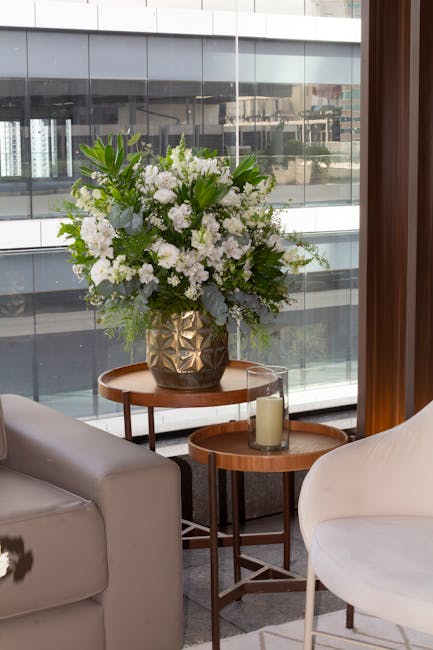
A more corporate example would be a professional services office in Hoxton with a regular visitor flow. There, the flowers might be more restrained: white and green for the reception, possibly deeper tones in winter, and simple arrangements in the meeting rooms. The effect is subtle but clear. Calm, neat, well-managed. Which is exactly what many firms want.
Practical Checklist
Use this checklist before you set up or renew a service.
- Have you identified the key spaces that need flowers?
- Do you know whether the office prefers subtle, bright, or premium styling?
- Have you checked for scent sensitivity or allergy concerns?
- Do you know the building's delivery rules and access times?
- Have you decided on weekly, fortnightly, monthly, or event-only delivery?
- Are the flowers appropriate for light, temperature, and airflow in the office?
- Will the arrangement fit the furniture without blocking screens or walkways?
- Have you chosen whether to use florist-led selection or fixed product preferences?
- Do you have a point of contact for delivery and placement?
- Have you reviewed sustainability, payment, and refund expectations?
If you can tick most of those off, you are already ahead of many offices. Really ahead.
Conclusion
A well-managed corporate flower service for Hoxton and Old Street offices is one of those decisions that looks small on paper and feels much bigger in real life. It improves the welcome in reception, softens the atmosphere in meeting spaces, and helps your workplace feel more considered without creating extra work for your team.
The key is to choose flowers that suit the space, the people, and the practical realities of the building. Keep the design intentional. Keep the logistics clear. And do not be afraid to start modestly, then refine as you go. That is often the smartest way.
If you want your office to feel more polished, more inviting, and just a touch more alive, a regular flower service is a good place to begin.
Get a free quote today and see how much you can save.
Sometimes the smallest change is the one people remember when they walk through the door.
Frequently Asked Questions
What is a corporate flower service for Hoxton Old Street offices?
It is a regular or on-demand flower delivery service designed for workplaces, usually covering reception areas, meeting rooms, and client-facing spaces. The focus is on presentation, reliability, and making the office feel professionally maintained.
How often should office flowers be replaced?
That depends on the space, the flower types, and how busy the office is. Weekly works well for high-traffic receptions, while fortnightly or monthly can suit quieter offices or more durable arrangements. The right rhythm is usually the one that keeps the space fresh without waste.
Are scented flowers a good idea in an office?
Sometimes, but not always. A light scent can be pleasant in reception, though meeting rooms and shared workspaces often do better with low-scent flowers. If staff or visitors have sensitivities, it is safer to keep fragrance subtle.
Can corporate flower arrangements be matched to brand colours?
Yes, and that is often one of the biggest strengths of a managed flower service. You can usually request colour themes that reflect the brand, whether that means soft neutrals, bold accents, or a seasonal palette that still feels on-brand.
What types of flowers are best for office environments?
Sturdy, long-lasting flowers often work best, especially in spaces with air conditioning or variable light. Many offices choose mixed seasonal stems, roses, lilies, chrysanthemums, alstroemeria, or florist-led combinations that are chosen for durability as much as appearance.
How do I choose the right size arrangement for a reception desk?
Measure the available space and think about sightlines. The arrangement should be visible without blocking check-in, paperwork, or screens. For smaller desks, low arrangements or compact vase designs usually work better than tall displays.
Is a flower service suitable for serviced offices and co-working spaces?
Yes. Shared workspaces often benefit a lot from fresh flowers because they help create a welcoming, cared-for atmosphere. The main thing is to keep arrangements practical, low-maintenance, and appropriate for shared circulation areas.
How much control do I have over the flower selection?
Usually quite a bit. Many services allow you to specify style, colour, frequency, and budget, while others let the florist choose seasonal stems based on your preferences. If you want less decision-making, florist-led selection can be easier.
What should I tell the florist before setting up a service?
Share your delivery window, building access details, preferred placement areas, brand style, budget range, and any concerns about scent or allergies. The more practical details you give upfront, the smoother the service tends to be.
Are office flower deliveries affected by building access or security rules?
Yes, very often. Central London buildings can have strict reception procedures, limited delivery windows, or security requirements. It is worth confirming access instructions early so flowers arrive without delay or confusion.
Can I use flowers for both everyday office styling and special events?
Absolutely. Many businesses keep a regular flower service for daily presentation and then add larger or more distinctive arrangements for launches, meetings, or client events. That approach gives you consistency with a bit of flexibility.
What if we want something affordable but still professional-looking?
That is very workable. You do not need extravagant arrangements to make an office feel polished. A clean, well-placed seasonal design can look excellent at a modest budget, especially when it suits the room and is refreshed regularly.